Finance Systems Automation & Governance
Using Microsoft Power Automate to Strengthen Financial Controls and Scale Operations
Role
Financial Systems Consultant
Industry
Microsoft Power Automate, Azure, Excel, Power BI, Tableau
Scope
Built systems supporting multi-entity reporting environments

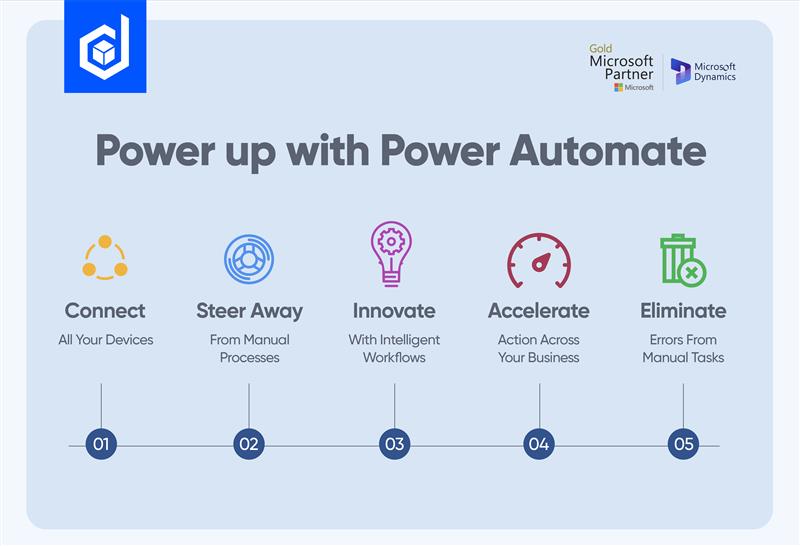
Modern finance teams are overwhelmed by manual workflows, compliance risk, and fragmented ERP data. I design automation frameworks that transform reactive reporting into structured, audit-ready, exception-driven finance operations.
This project portfolio focuses on five high-value automation domains:
ERP → Workflow Automation
Financial Controls Automation
Exception-Based Reporting
Compliance Tracking
Data Governance Automation
These implementations reduce operational risk, prevent financial misstatement, and create scalable finance infrastructure.
1. ERP → Workflow Automation
Problem
Finance data lives inside ERP systems but approvals, documentation, and validations happen manually through email and spreadsheets.
Solution
Designed automated workflows that:
Trigger when transactions are posted in ERP (NetSuite / Concur)
Validate required metadata (grant tags, cost centers, approvals)
Route exceptions to responsible stakeholders
Log timestamped approvals for audit trail
Tools Used
Power Automate
NetSuite Saved Searches
SharePoint
Outlook
Excel Online
Business Impact
Eliminated manual follow-up emails
Reduced approval turnaround time
Created defensible, system-level documentation
2. Financial Controls Automation
Problem
Manual review of travel expenses, invoices, and grant expenditures creates risk of duplicate entries, route mismatches, and misclassification.
Solution
Built validation control frameworks including:
Route symmetry checks (A → B must match B → A return logic)
Duplicate detection logic
Outlier duration thresholds
Missing documentation alerts
Automation ensures transactions are reviewed by exception — not by volume.
Business Impact
Prevented material reporting distortions
Reduced manual review workload
Strengthened internal control environment
3. Exception-Based Reporting
Problem
Finance teams waste time reviewing clean data instead of focusing on risk signals.
Solution
Developed automated monitoring flows that:
Compare actuals vs budget daily
Flag threshold breaches (e.g., >10% variance)
Generate structured variance explanation templates
Send targeted Teams alerts
Instead of static reporting, leadership receives actionable alerts.
Business Impact
Shifted finance from reactive to proactive oversight
Improved budget visibility
Enabled faster corrective action
4. Compliance Tracking
Problem
Grant-funded and restricted expenditures require documentation integrity and policy compliance.
Solution
Created automated compliance tracking that:
Verifies grant tagging on expense entry
Checks required support files exist
Tracks missing documentation in a centralized dashboard
Generates pre-audit readiness reports
Business Impact
Reduced audit preparation time
Improved documentation completeness
Lowered compliance risk exposure
5. Data Governance Automation
Problem
Unstructured receipt data, inconsistent file naming, and circular spreadsheet dependencies create reporting inaccuracies.
Solution
Built structured extraction pipelines that:
Extract data from receipts using OCR
Normalize fields into consistent schema (From, To, Duration, Vendor, Amount)
Rename and organize files automatically
Eliminate circular reference errors
Business Impact
Created clean, scalable datasets
Enabled downstream analytics in Tableau / Power BI
Reduced risk of financial misstatement
Other projects
Accrual Automation & Journal Entry System
Redesigned a fragmented, spreadsheet-driven accrual submission process into a centralized, structured intake system to improve data consistency, reduce manual consolidation, and accelerate the month-end close cycle.
Finance Systems Automation & Governance
Using Microsoft Power Automate to Strengthen Financial Controls and Scale Operations
Enterprise Travel Policy Cost Governance Model
Strategic Finance Initiative - 2,069+ Annual Travel Legs